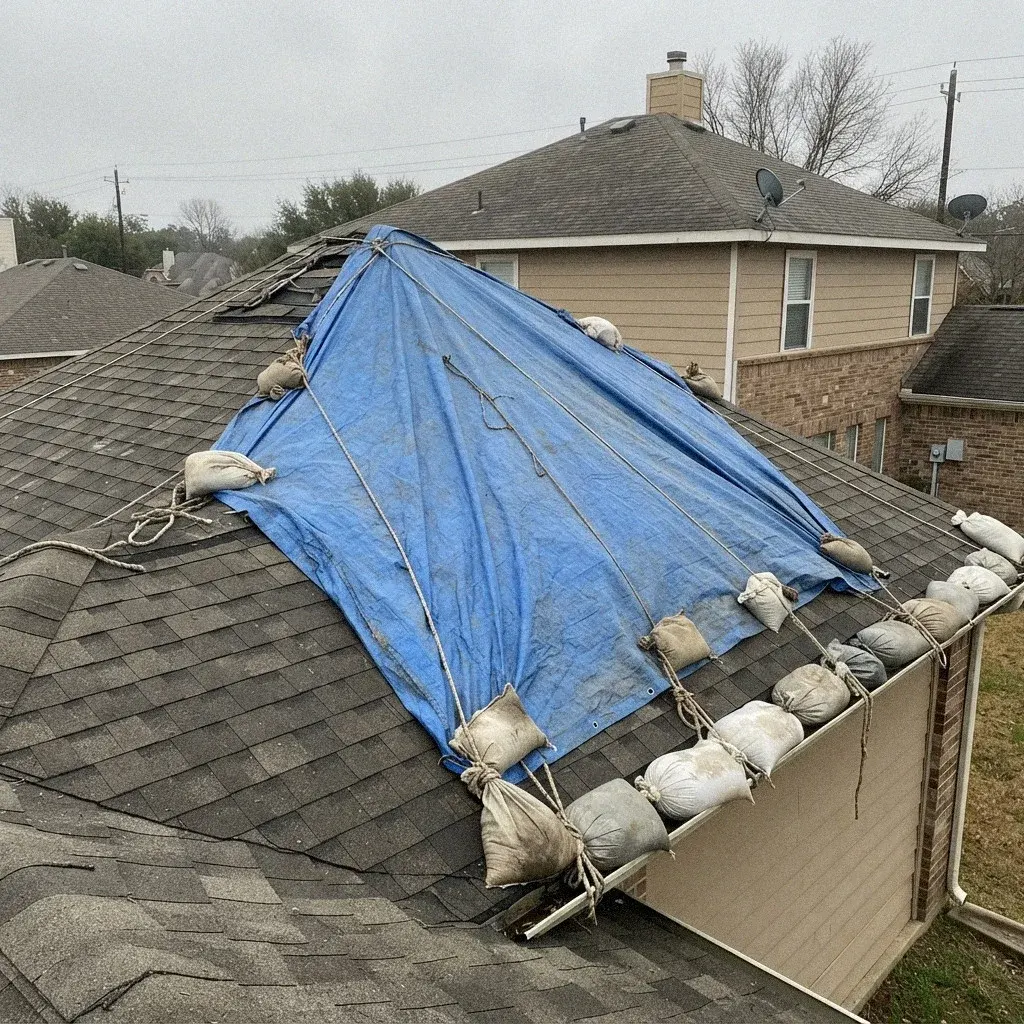
Emergency Roof Tarping
An open roof covered and anchored today, before the next rain finds it.
Learn about Emergency Roof TarpingDense pre-1920 plat mixing surviving houses with mid-rise apartment and condo buildings.
Loring Park is a dense, mostly platted-before-1920 neighborhood wrapped around the park of the same name, bridging downtown and Lowry Hill East. Housing here ranges from Queen Anne-era single-family holdouts to mid-rise apartment and condo buildings, with little of the cul-de-sac layout found further out toward the city limits.
Freeze-thaw cycling, ice damming, and sudden hail load a roof with stress no single season fully explains.
Snow load and meltwater test a roof two different ways. One asks whether the framing under a house in Loring Park can carry the weight; the other asks whether every seam can shed water sideways rather than down. A roof passes the first for years while quietly failing the second.
Loring Pond raises the humidity noticeably around the houses nearest it. That shows up in the attic as much as on the roof - condensation on the underside of the sheathing is a ventilation problem, not a leak, and the two look identical from below.
Being this close to downtown, Loring Park roofs face the same hail and severe thunderstorm exposure as the rest of Minneapolis, without the added tree-canopy moss concerns of the lower-density neighborhoods further from the city center. Summer humidity and heat swings stress a roof quietly rather than dramatically. Shingles expand and contract through the day, sealant strips age faster than the shingle above them, and neither problem announces itself until a heavy rain finds the gap.
Because of Walker Art Center, there is a steady stream of non-residential work in Loring Park. On an occupied building the constraint is rarely the roof - it is getting equipment up there without shutting the business underneath.
We would rather you knew the range now than found out after the visit. Anything outside these figures gets explained before we start.
| Service | Estimated cost |
|---|---|
| Emergency Roof Tarping | an estimated $350–$1400 |
| Flashing & Chimney Repair | an estimated $350–$1900 |
| Flat & Low-Slope Roofing | an estimated $9000–$26000 |
The Walker Art Center sits along Loring Park's western edge, near where the neighborhood's older house lots give way to the denser apartment frontage closer to Hennepin Avenue.
Nicollet Mall runs northeast toward Downtown West, and the drive time from Loring Park into that corridor is short enough that the two areas share roofing crews rather than separate service radii.
The park itself splits the neighborhood's older residential blocks from the apartment towers closer to downtown, a fixed landmark residents use to describe which side of the neighborhood a house sits on.
An open roof covered and anchored today, before the next rain finds it.
Learn about Emergency Roof Tarping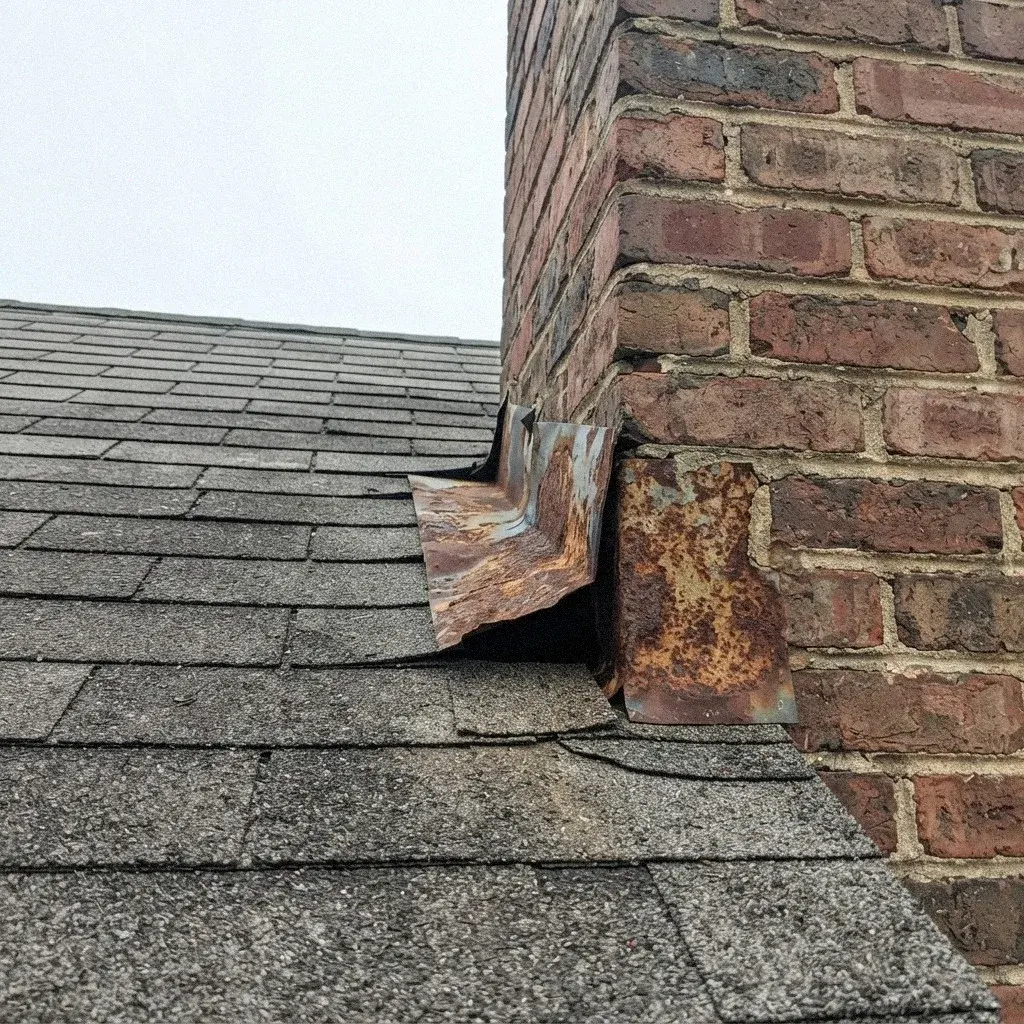
Repairing the metal seals at your chimney, valleys, and walls.
Learn about Flashing & Chimney Repair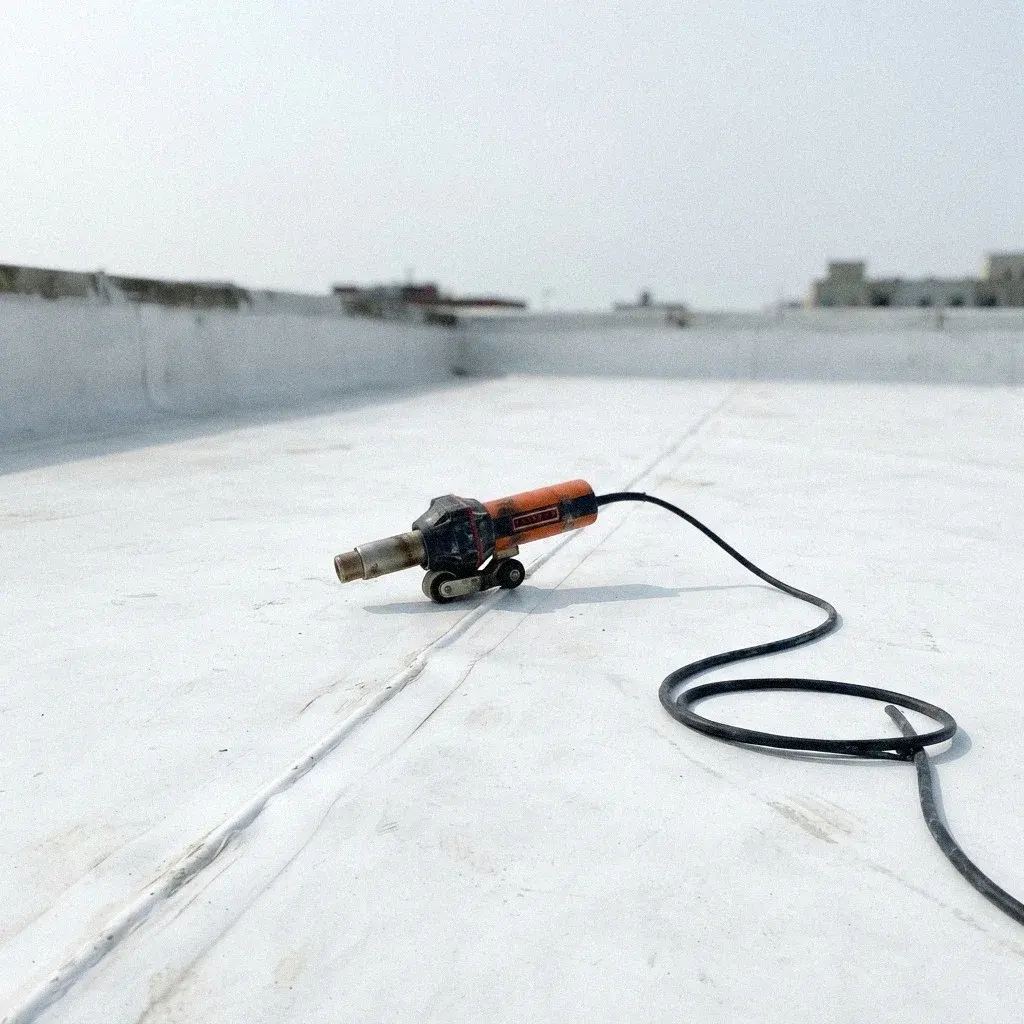
Low-slope membrane roofing built to drain through a Minnesota winter.
Learn about Flat & Low-Slope Roofing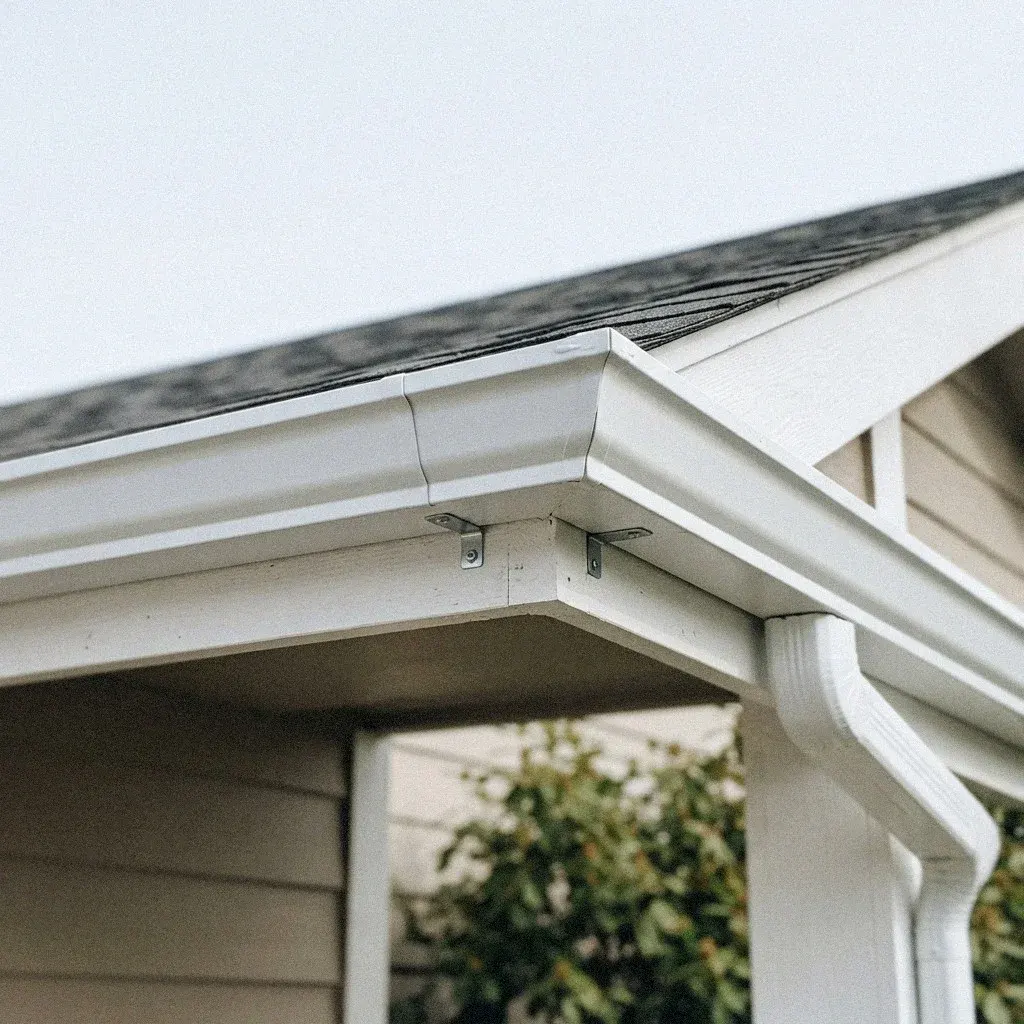
Straight talk on whether your gutters need fixing or full replacement.
Learn about Gutter Repair & ReplacementDowntown West · Downtown East · Linden Hills · Fulton · Kingfield · Longfellow · Edina · Bloomington
Loring Park's original plat dates to the late 1800s, and the neighborhood still carries Queen Anne and Colonial Revival houses from that era alongside apartment and condo buildings added over the following decades. That mix means a roofer working here sees everything from century-old wood-frame roofs to flat or low-slope commercial-style roofing on later multifamily construction, sometimes on adjoining lots.
Not directly. Zoning governs what can be built or how a lot can be used, not the permit process for repairing or replacing an existing roof. A homeowner or condo association in Loring Park still goes through the City of Minneapolis roofing permit process, the same one that applies anywhere inside city limits.
The permit is per project rather than per unit, and on a condominium the roof is almost always common area. That means the association files for the work and manages it, not an individual owner, and the governing documents rather than habit decide where that line sits. If you own a unit in a Loring Park building and are seeing a ceiling stain on the top floor, the first call is usually to the association or the property manager rather than to a roofer.
Older single-family houses in Loring Park generally carry asphalt shingle roofs, consistent with the wood-frame Queen Anne and Colonial Revival stock typical of this build era in Minneapolis. The neighborhood's apartment and condo buildings more often use flat or low-slope roofing systems, which age and fail differently than the pitched shingle roofs on the surviving houses nearby.
Loring Park sits close enough to downtown Minneapolis that it faces the same hail and thunderstorm exposure as the rest of the city, with no added risk from being near the park itself. The bigger practical difference here is building type: a flat commercial-style roof on an apartment building takes storm damage differently than a pitched shingle roof on an older house.
Evenings, weekends, and public holidays are all covered for Loring Park through the emergency line. Routine bookings here typically go out within a day or two, helped by the fact you are a short drive from Minneapolis. Describe the situation on the phone and you will get a straight answer on whether after-hours is genuinely warranted.
Minneapolis roofs answer to the same winter, but not identically. A foursquare in Tangletown with tight attic ventilation ice-dams differently than a bungalow near Lake Nokomis with more roof exposed to open sky. Homes close to the Mississippi River gorge catch different wind than ones tucked into Fulton or Kingfield. Hail from a summer thunderstorm hits every neighborhood the same day, but the roof underneath it, its age, its pitch, its attic insulation, is never quite the same house to house.
Call (612) 493-0152