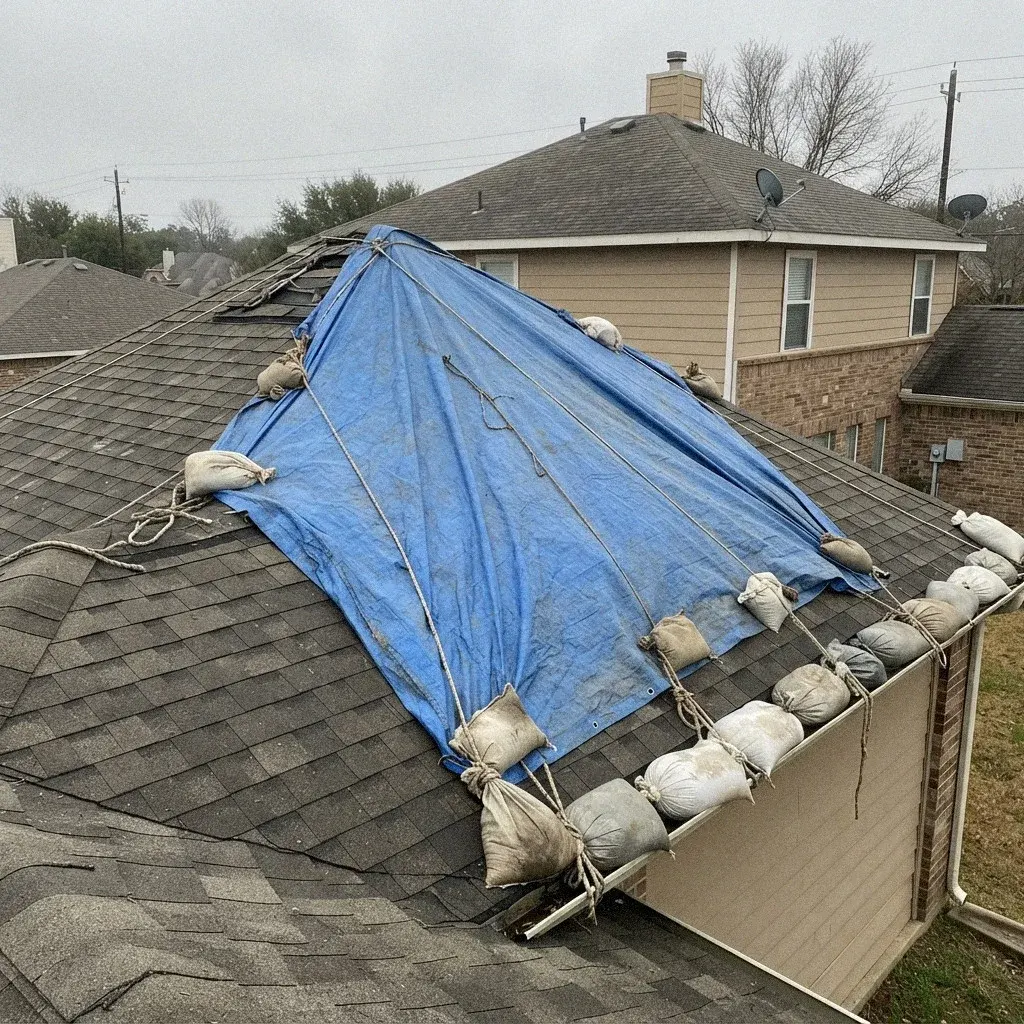
Emergency Roof Tarping
Open roof? A local licensed pro covers and anchors it, often the same day, before the next rain finds it.
Learn about Emergency Roof TarpingCentury-old student rentals and river-facing condos share one roofing map near campus.
Marcy-Holmes is the neighborhood pressed against the University of Minnesota, its street grid platted long before annexation brought this stretch fully into city limits. Victorian and Foursquare houses from the 1880s through the 1920s sit alongside newer condo mid-rises near Dinkytown and the river, giving Minneapolis one of its densest mixes of old frontage and new construction.
Freeze-thaw cycles, heavy snow load, and ice dams stress a roof more than any single storm, year over year.
Roofs in Marcy-Holmes are judged on their attics as much as their shingles. Warm air escaping into a cold attic melts snow on the upper slope, and it refreezes at the eave where there is no heat underneath. That ridge of ice is what pushes water back up under the courses.
Mississippi River raises the humidity noticeably around the houses nearest it. That shows up in the attic as much as on the roof - condensation on the underside of the sheathing is a ventilation problem, not a leak, and the two look identical from below.
River-adjacent lots near St. Anthony Falls catch more wind off the Mississippi than blocks set back toward campus. Ice dams still form the same way on older gable roofs here as anywhere else in Minneapolis, but exposure runs higher this close to the water. Attic heat loss matters as much as the snow itself. A roof that leaks warmth lets snow melt from underneath, then that meltwater refreezes lower down where the roof is colder, and that mismatch is where ice dams actually start forming.
Because of University of Minnesota, there is a steady stream of non-residential work in Marcy-Holmes. On an occupied building the constraint is rarely the roof - it is getting equipment up there without shutting the business underneath.
We would rather you knew the range now than found out after the visit. Anything outside these figures gets explained before we start.
| Service | Estimated cost |
|---|---|
| Emergency Roof Tarping | an estimated $350–$1400 |
| Roof Leak Repair | an estimated $450–$2400 |
| Storm & Wind Damage Roof Repair | an estimated $900–$7500 |
| Roof Repair | an estimated $400–$2200 |
The campus borders Marcy-Holmes directly, and houses on the blocks nearest it were converted into student rentals and duplexes decades ago, a use the original Victorian and Foursquare framing was never built for.
This commercial corridor sits at the neighborhood's edge, and the frontage along it mixes storefronts with older houses converted to upper-floor apartments, a layout unlike the straight residential lot lines further from campus.
The falls and the Mississippi River mark the neighborhood's edge, and lots closest to the water carry more wind exposure than the interior streets nearer the university's cul-de-sac side lanes.
Open roof? A local licensed pro covers and anchors it, often the same day, before the next rain finds it.
Learn about Emergency Roof Tarping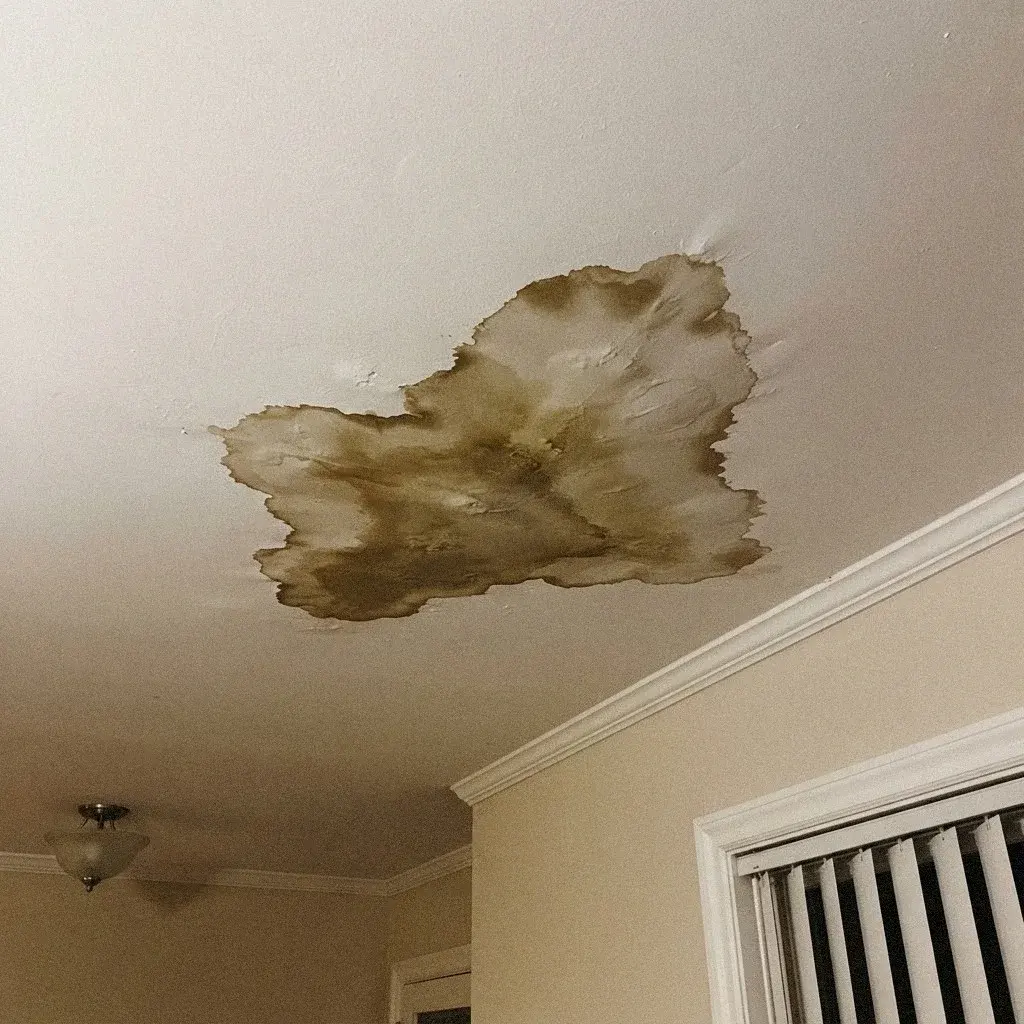
Call now to reach a local licensed pro who traces your leak to its real entry point and fixes it.
Learn about Roof Leak Repair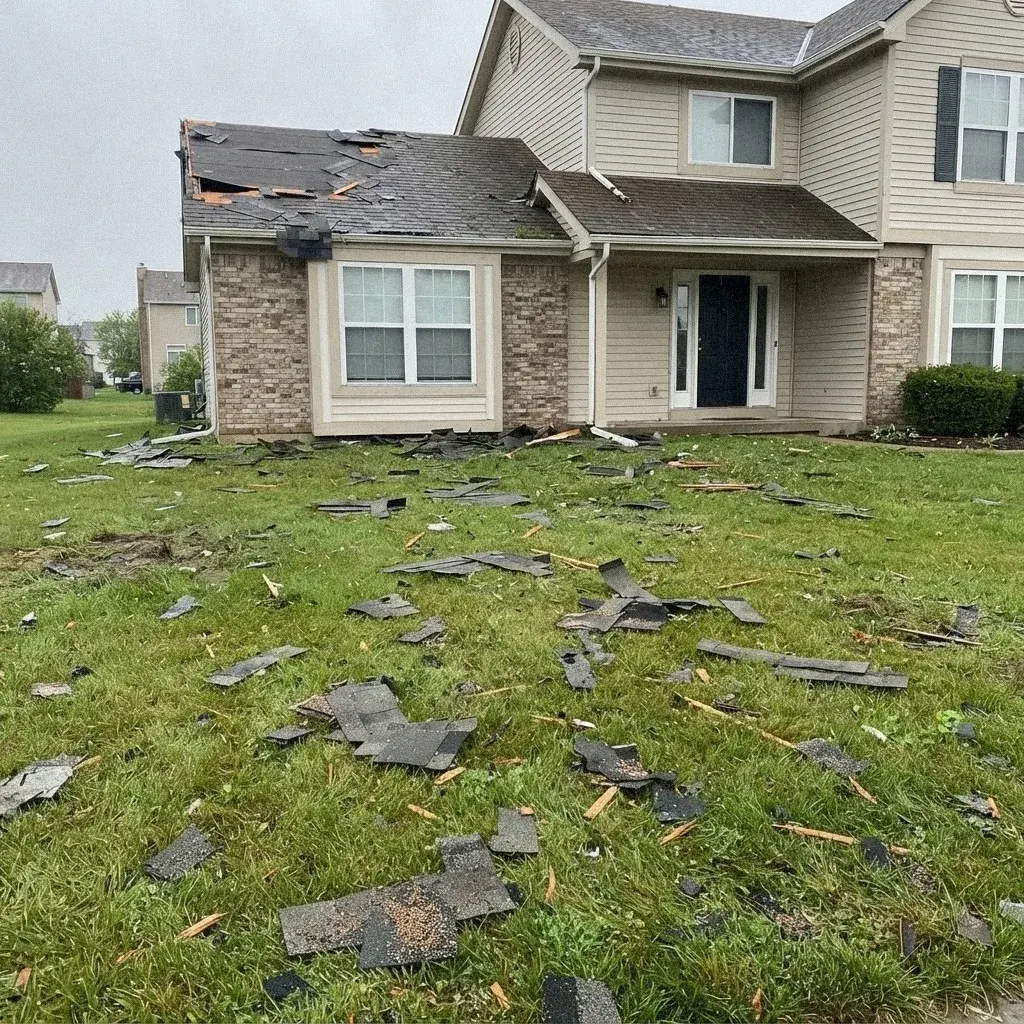
Fast inspection and repair after high wind, hail or falling limbs, by a local licensed pro.
Learn about Storm & Wind Damage Roof Repair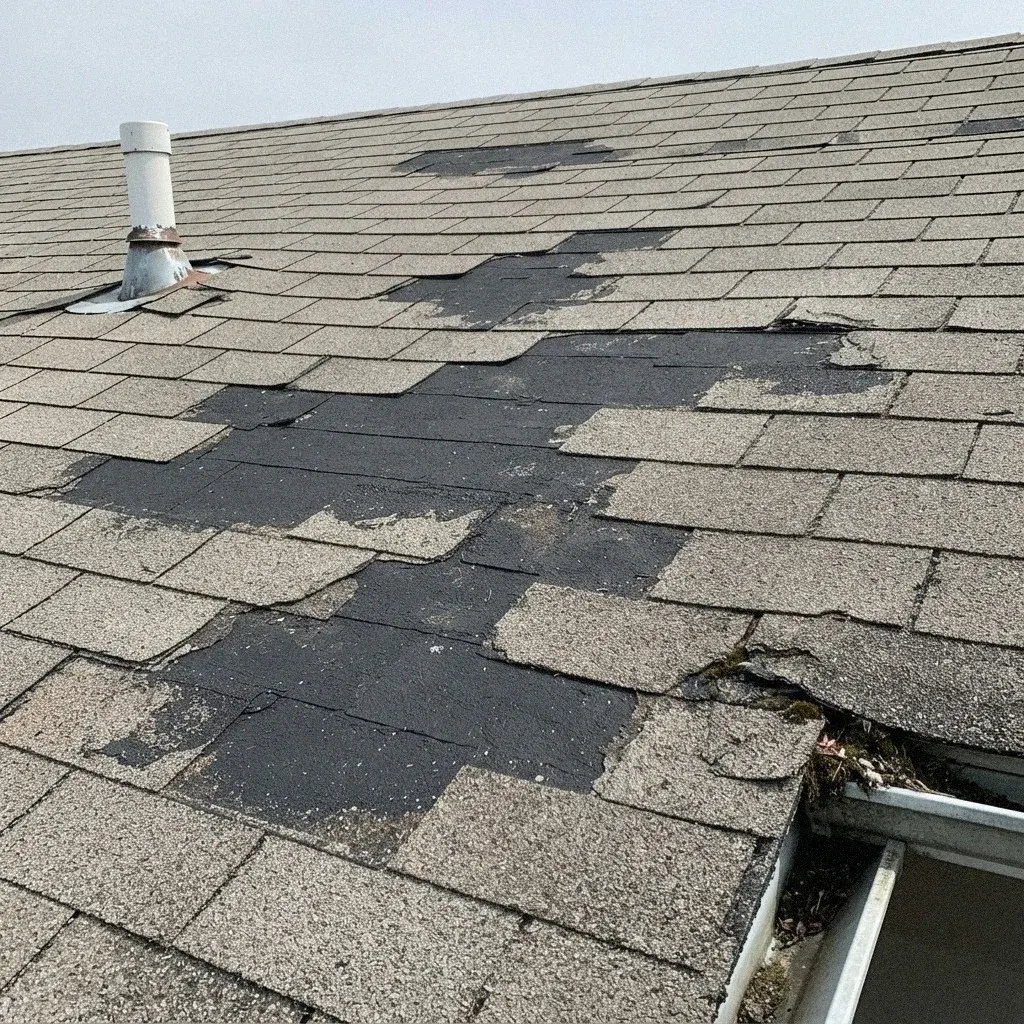
Local licensed pros fix the damaged spot, not the whole roof, and put the scope in writing first.
Learn about Roof RepairMarcy-Holmes carries some of the oldest housing stock in Minneapolis, with Victorian and Foursquare houses dating from the 1880s through the 1920s standing alongside newer condo and apartment mid-rises near Dinkytown. That gap in build era means a roof inspection here often turns up two very different problems on the same block: worn original framing on one house, and a barely broken-in membrane roof on the next.
Many of the older Victorian and Foursquare houses here were converted into rentals or duplexes for students, and turnover tends to run higher than in owner-occupied blocks elsewhere in Minneapolis. That pattern can mean roof issues get reported later than an owner living under the same roof might catch them, since no landlord owns the property who checks it daily.
Lots closest to the Mississippi River and St. Anthony Falls sit more exposed to wind coming off the water than streets set back toward the University of Minnesota campus. That exposure does not change what covers a Marcy-Holmes roof, but it can mean loose shingles or flashing show up sooner on the river-facing side of a house.
Roofing work anywhere in Minneapolis, including Marcy-Holmes, falls under the city's own construction permit process rather than a Hennepin County office. Because so many houses here were converted from single-family to rental or duplex use over the decades, a homeowner should also confirm whether that conversion changed how the property is classified before work starts.
Some of the oldest coverings in the city sit here. Marcy-Holmes runs to 1880s and early-1900s Victorians and rowhouses near the river, so steep pitches, cut-up rooflines and a great deal of flashing, with slate still on a few of them. Alongside that are the rental conversions near the university, and those often carry flat rear additions added at some point since. The two need different work, which is why a single price for the whole roof is worth questioning.
Evenings, weekends, and public holidays are all covered for Marcy-Holmes through the emergency line. Routine bookings here typically go out within a day or two, helped by the fact you are a short drive from Minneapolis. Describe the situation on the phone and you will get a straight answer on whether after-hours is genuinely warranted.
Minneapolis roofs answer to the same winter, but not identically. A foursquare in Tangletown with tight attic ventilation ice-dams differently than a bungalow near Lake Nokomis with more roof exposed to open sky. Homes close to the Mississippi River gorge catch different wind than ones tucked into Fulton or Kingfield. Hail from a summer thunderstorm hits every neighborhood the same day, but the roof underneath it, its age, its pitch, its attic insulation, is never quite the same house to house.
Call (612) 493-0152