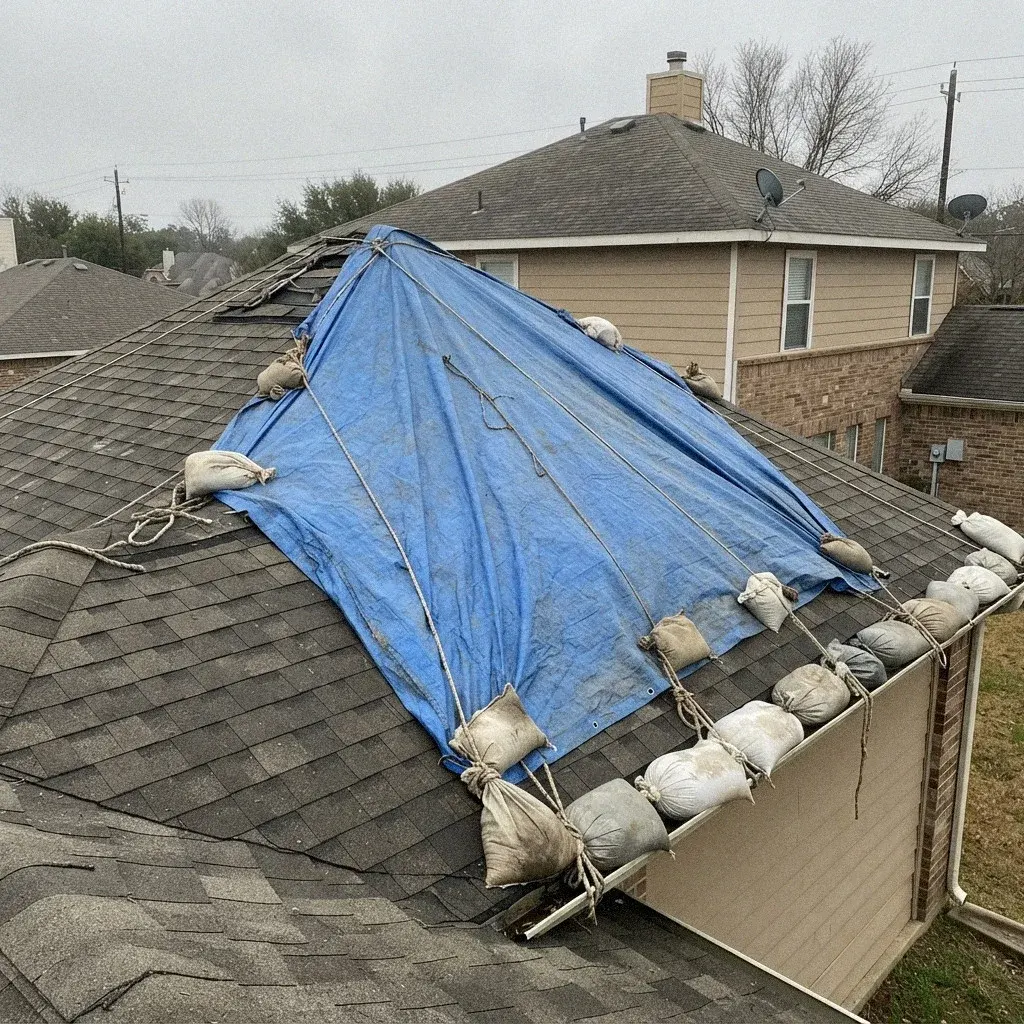
Emergency Roof Tarping
An open roof covered and anchored today, before the next rain finds it.
Learn about Emergency Roof Tarping1920s-1940s bungalows on a fixed grid, aging into ice dam season together.
Fulton is a platted grid neighborhood in southwest Minneapolis, bordered by Linden Hills and inside the same school district drawing families to this corner of the city. Streets run in a regular grid rather than curving cul-de-sacs, with alleys serving most lot lines behind the houses.
Freeze-thaw cycling, heavy snow load, and summer hail wear down roofs here more than any one storm does.
Age tells you more here than storm history does. A roof in Fulton built before attic insulation was taken seriously loses heat unevenly, and uneven heat loss is what turns an ordinary snowfall into a leak at the eave. Build era is the first question worth asking.
Anywhere close to Minnehaha Creek and Lake Harriet, expect the roof to stay wet longer after rain. A slope that never dries out properly holds moss in the shingle seams, and moss lifts the course above it, which is how a cosmetic problem turns into a leak.
Minneapolis winters bring sub-zero stretches and heavy snow load, and Fulton's tree-lined blocks trap moisture that turns into ice dams along eaves after a freeze-thaw cycle, a routine strain on these older roof lines. Fall is the narrow window for getting ahead of winter, not a season to wait out. A roof with a small weakness in October usually turns into an ice dam problem in January, once snow load and cold settle in for months.
Ballpark figures so you can plan. Nothing is charged until you have seen a written estimate for your own property.
| Service | Estimated cost |
|---|---|
| Emergency Roof Tarping | an estimated $350–$1400 |
| Flashing & Chimney Repair | an estimated $350–$1900 |
| Flat & Low-Slope Roofing | an estimated $9000–$26000 |
| Gutter Repair & Replacement | an estimated $1200–$4800 |
Lake Harriet borders Fulton's eastern edge, and the parkway ringing it marks where this grid neighborhood's rooflines give way to parkland rather than another block of houses.
Linden Hills sits directly next to Fulton, close enough in age and build era that a roofing crew working one side of the boundary is usually familiar with the other.
Minnehaha Creek runs near Fulton's southern reach, part of the same corridor of parkway and water that separates this neighborhood's streets from Tangletown to the southeast.
An open roof covered and anchored today, before the next rain finds it.
Learn about Emergency Roof Tarping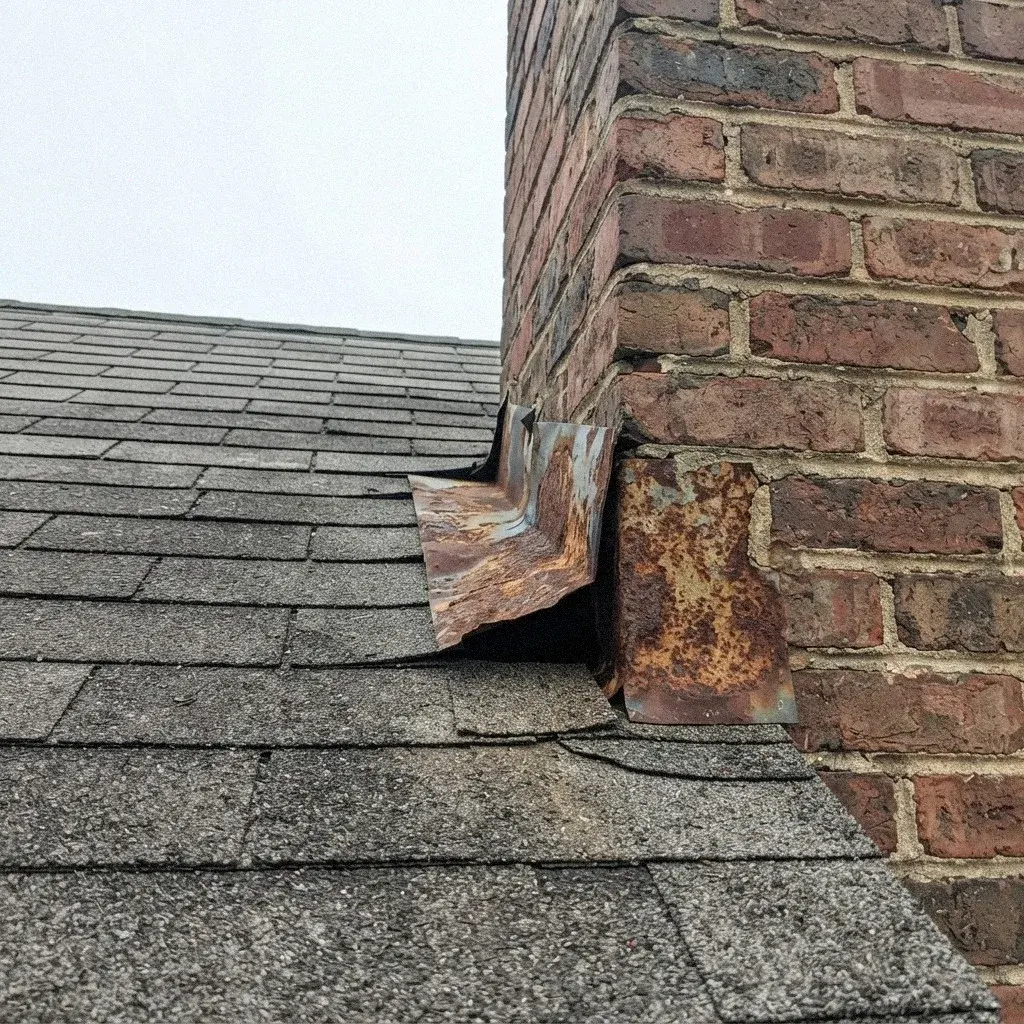
Repairing the metal seals at your chimney, valleys, and walls.
Learn about Flashing & Chimney Repair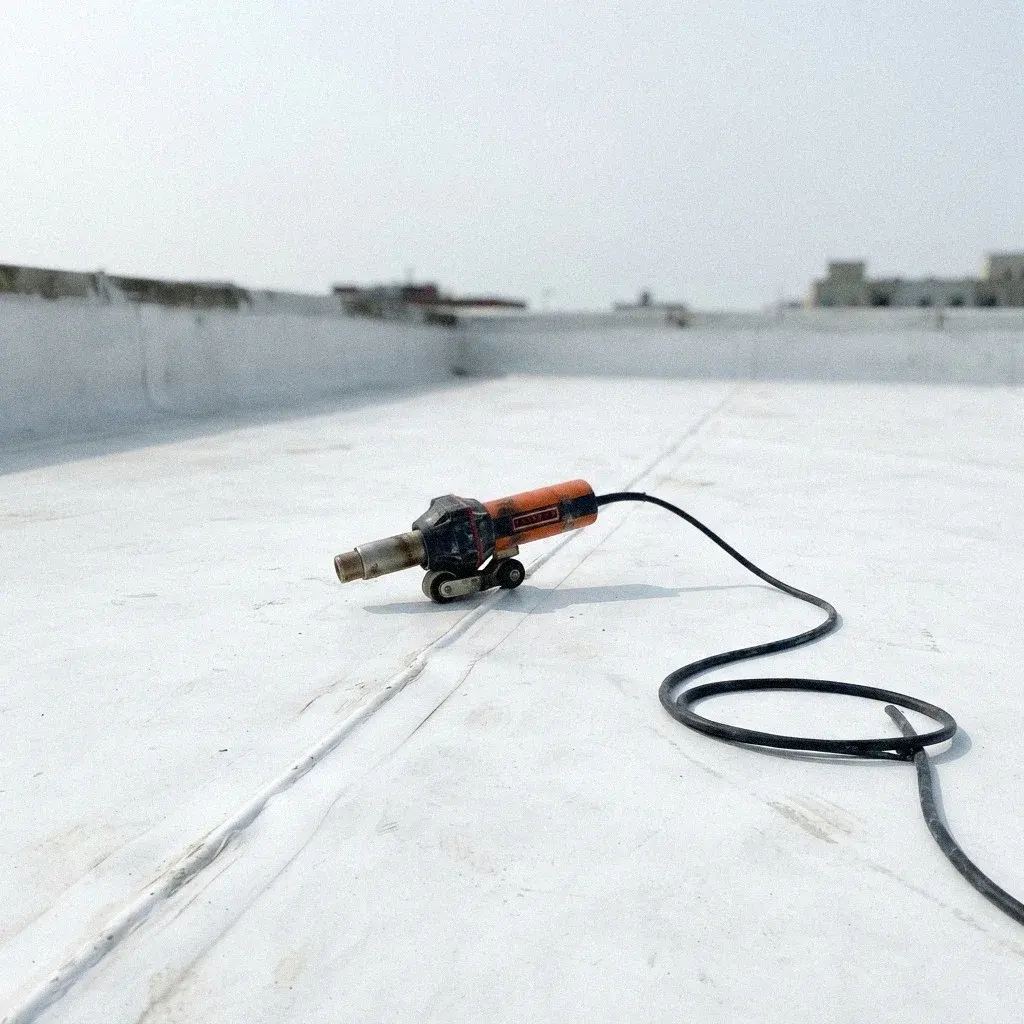
Low-slope membrane roofing built to drain through a Minnesota winter.
Learn about Flat & Low-Slope Roofing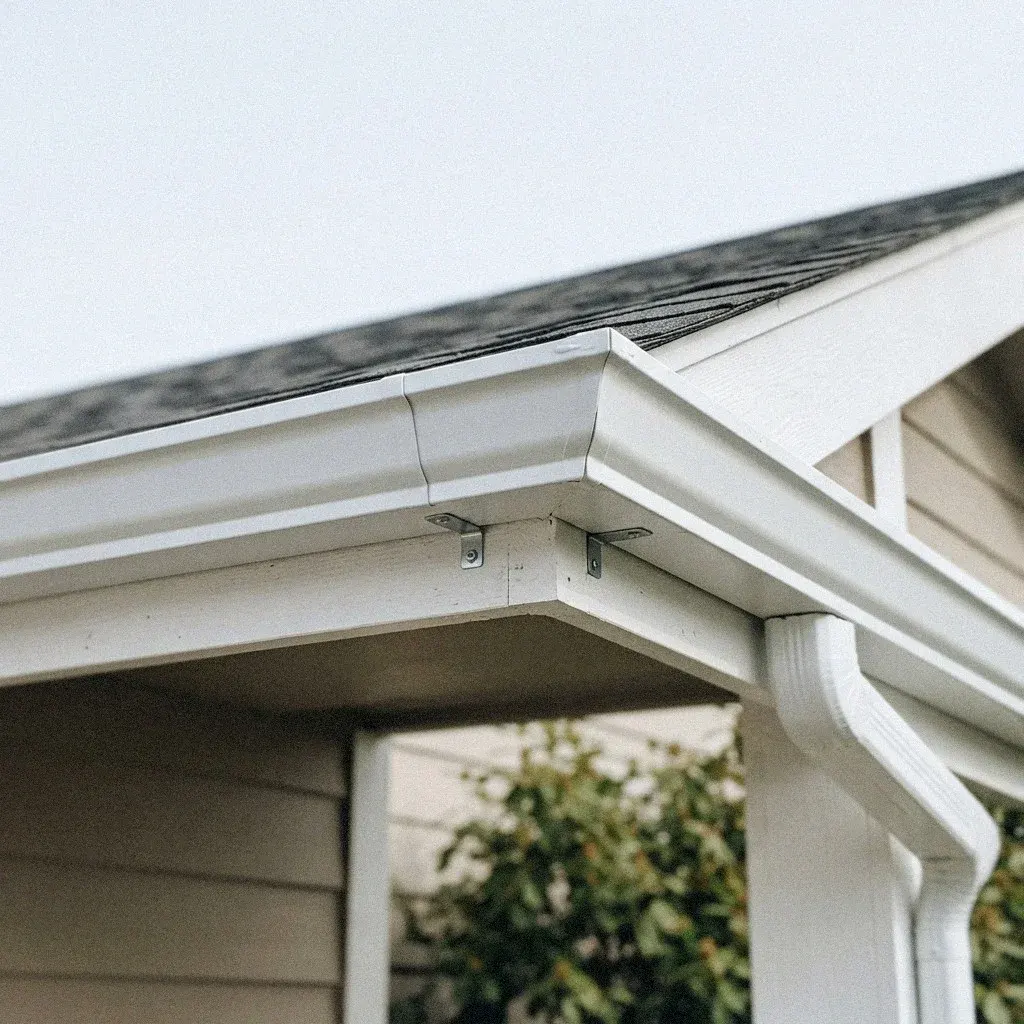
Straight talk on whether your gutters need fixing or full replacement.
Learn about Gutter Repair & ReplacementFulton's housing stock dates mostly from the 1920s through the 1940s, so many original roof decks and rafters are original to the build era even where shingles have been replaced once or twice. A bungalow bought without recent roofing records is worth a look from someone who can judge deck condition, not just surface wear.
No, Fulton is a standard Minneapolis neighborhood without a homeowners association setting architectural rules on roof material or color. Any limits come from the city's own building code requirements, not a private covenant, so a homeowner has more say over shingle choice than in a plat with an active architectural review board.
Yes. Minneapolis asks for a permit on roofing work across the city, and Fulton is inside the city limits, so a reroof here goes through the same filing and the same closing inspection as anywhere else. The practical point is who holds it: a licensed contractor pulls it in their own name and answers for it at inspection, while an owner-builder permit moves that responsibility onto the homeowner. Worth settling before the tear-off rather than after.
Fulton's houses were largely built in the same few decades, so many roofs are reaching a similar age at the same time. Add ice dam damage from Minnesota winters and summer hail from severe thunderstorms, and streets here tend to see roofing activity cluster in the same stretch of years.
Confirm the roofer holds an active Minnesota Department of Labor and Industry residential roofer license, since the state licenses this trade rather than the city. Ask whether their crews have actually worked Fulton's alley-loaded lots before, not just nearby Linden Hills streets, since alley access changes how materials get staged.
Usually the same day, yes. Urgent jobs jump the queue here: water coming through a ceiling, a slope torn open by wind, or a limb down on the roof. Those are taken around the clock. Anything that can safely wait is booked at the standard rate instead.
Minneapolis roofs answer to the same winter, but not identically. A foursquare in Tangletown with tight attic ventilation ice-dams differently than a bungalow near Lake Nokomis with more roof exposed to open sky. Homes close to the Mississippi River gorge catch different wind than ones tucked into Fulton or Kingfield. Hail from a summer thunderstorm hits every neighborhood the same day, but the roof underneath it, its age, its pitch, its attic insulation, is never quite the same house to house.
Call (612) 493-0152