Roof Problems
A Ceiling Stain in January
A stain spreads across an upstairs ceiling with no rain in sight. Here's what's really happening above it, and what to do before anyone touches a ladder.
Read article
Ice dams form the same way on a Fulton bungalow and a Longfellow foursquare, but nobody explains why until the ceiling stain shows up. These guides walk through what actually happens to a Minneapolis roof between a January cold spell and a July hailstorm, using the housing stock here, not a national checklist.
These guides help Minneapolis homeowners size up a roof problem before calling anyone. An ice dam on a Kingfield bungalow reads differently than hail damage near Powderhorn Park, and knowing which is which helps you talk straight with the licensed pros we connect you with.
Nothing here is a pitch for a specific job. It's the reasoning a contractor would walk you through anyway — why frost heave near a Seward basement wall matters to the roofline above it, why 51 inches of average snow changes attic ventilation math, and what that means before you sign anything.
A stain spreads across an upstairs ceiling with no rain in sight. Here's what's really happening above it, and what to do before anyone touches a ladder.
Read articleAfter a Minneapolis hailstorm, most of the real damage is on the roof, not the ground. Here is what a homeowner can check from the yard, and why the camera matters more today than it will in a week.
Read article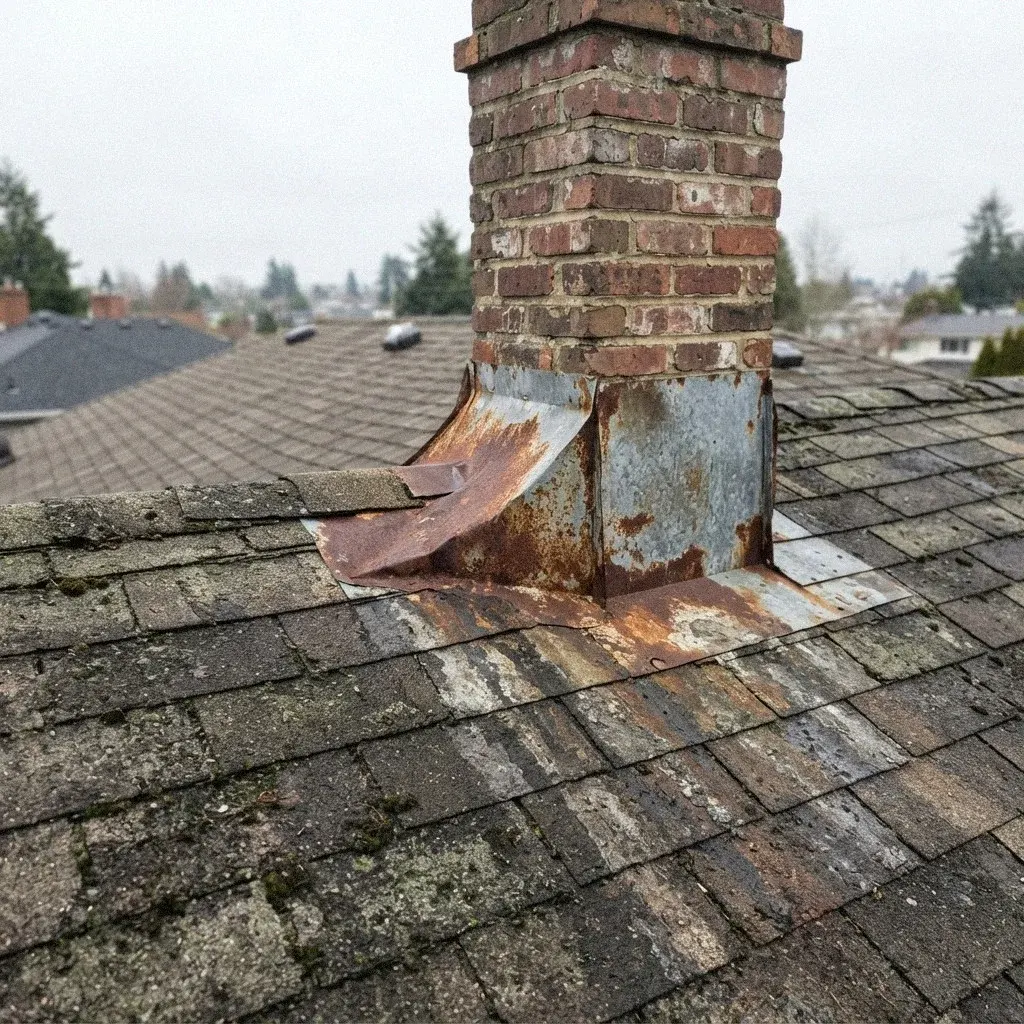
A Minneapolis roof leak rarely comes from worn-out shingles. It comes from a specific joint, valley, or flashing detail. Here's a ranked look at where these leaks actually begin, from pipe boots to drip edge.
Read articleSpecific to Minneapolis. The guides talk about ice dams forming on bungalow roofs in Kingfield and Longfellow with shallow attic insulation, hail damage from summer thunderstorms near the Chain of Lakes, and how frost heave in the clay-heavy soil around Tangletown can shift flashing on older foursquares. None of it is swapped-in national copy.
No set calendar. They get another pass after a heavy snowfall winter that left ice dams behind in neighborhoods like Seward or Prospect Park, after a hailstorm rolls through the metro, or when something in Minnesota licensing or building code changes. Between those events the guides mostly stay as written.
The service pages list what work gets quoted; the guides explain why. Things like why a foursquare near Lake Harriet with a low-pitched dormer collects ice differently than a Colonial Revival in Linden Hills, or why a basement-heavy house built to Minnesota's frost-depth footing rule still leaks at the roofline. Worth reading before you're comparing bids.
These posts work through problems that actually show up on Minneapolis roofs: ice dams backing up under thin attic insulation in older bungalows, granule loss after a hailstorm rolls through, flashing that failed around a chimney in a Colonial Revival near Kenwood. None of it is generic advice written for a milder climate. It reflects a city with basements dug to frost depth, glacial clay soil underneath, and roughly 51 inches of snow most winters.
Call (612) 493-0152