A Fulton bungalow or a Tangletown foursquare can sell with a thirty-year-old roof still on it. Minneapolis has no law that requires a new roof before closing. What matters is honesty about condition, because a seller disclosure statement is where age and wear get put in writing, and that document shapes every conversation that follows, from the buyer's inspection request to what a lender's appraiser decides to flag.
What Counts as a Defect
Minnesota law expects a seller to disclose known material defects, meaning conditions the seller actually knows about that would affect value or safety. An old roof isn't automatically a defect. Worn shingles near the end of their remaining useful life are a condition, not necessarily a defect, unless there's active leaking, structural sagging, or damage the seller is aware of. The distinction matters because disclosure covers known facts, not a prediction of how many years are left.
How Inspection Requests Play Out
Buyers in Minneapolis routinely request an inspection as part of the purchase agreement, and roofing is one of the first things an inspector walks. If the report notes deferred maintenance or curling shingles, the buyer's options usually run through a repair addendum asking the seller to fix specific items, or a seller credit that lets the buyer handle it after closing. Neither path is required by law; both are negotiated based on what the inspection turns up.
Selling As-Is Explained
An old roof does not block a Minneapolis closing, but it changes the paperwork. The seller disclosure statement should name known material defects honestly, since silence invites a dispute later. Buyers often add an inspection contingency, then request a repair addendum or seller credit once a roofer flags remaining useful life. Lenders and appraisers weigh in too, and insurability matters as much as condition.
When Appraisals Add Conditions
Lenders don't inspect roofs directly, but appraisers working for the lender do note visible condition, and a roof that looks close to failing can trigger a lender-required repair as an appraisal condition before the loan closes. This shows up more with FHA and VA financing, which tend to scrutinize condition more closely than a conventional loan. A Minneapolis seller with an aging roof should expect this possibility with certain buyer financing, not every offer.
Insurability Isn't Guaranteed
Insurability is a separate question from financing. Some insurers in the Twin Cities metro decline to write a new policy on a roof past a certain age, or they'll issue one with limited coverage on the roof itself. A buyer who can't get an insurance binder lined up before closing has a real problem, since most lenders won't fund without proof of coverage in place, regardless of what the appraisal already cleared.
Using an Escrow Holdback
Some purchase agreements handle a still-unresolved roof question with an escrow holdback, where a portion of proceeds is set aside at closing until a repair is completed or a certification is delivered. This lets a sale close on schedule without either side waiting on a shingle replacement first. It's a negotiated tool, not a standard step, and it shows up more often when timing is tight for both sides.
What a Roof Certification Does
A roof certification is a written statement from a roofing contractor or inspector estimating how much service life remains, sometimes required by an insurer or lender before they'll commit. It isn't a Minneapolis or Minnesota legal requirement on its own. Sellers sometimes get one anyway, because a certification showing a few more years of life can head off a buyer's financing or insurance objection before it stalls the deal.
What Actually Causes Problems
Age alone rarely kills a Minneapolis sale. What causes trouble is a roof with visible problems the seller knew about and didn't put in the disclosure statement, discovered later by the buyer's inspector or during a claim. A twenty-year-old roof with no active leaks and reasonable shingle condition can move through closing without much friction, while a newer roof with hidden damage from a missed hailstorm can cause far more.
Neighborhood Expectations Vary
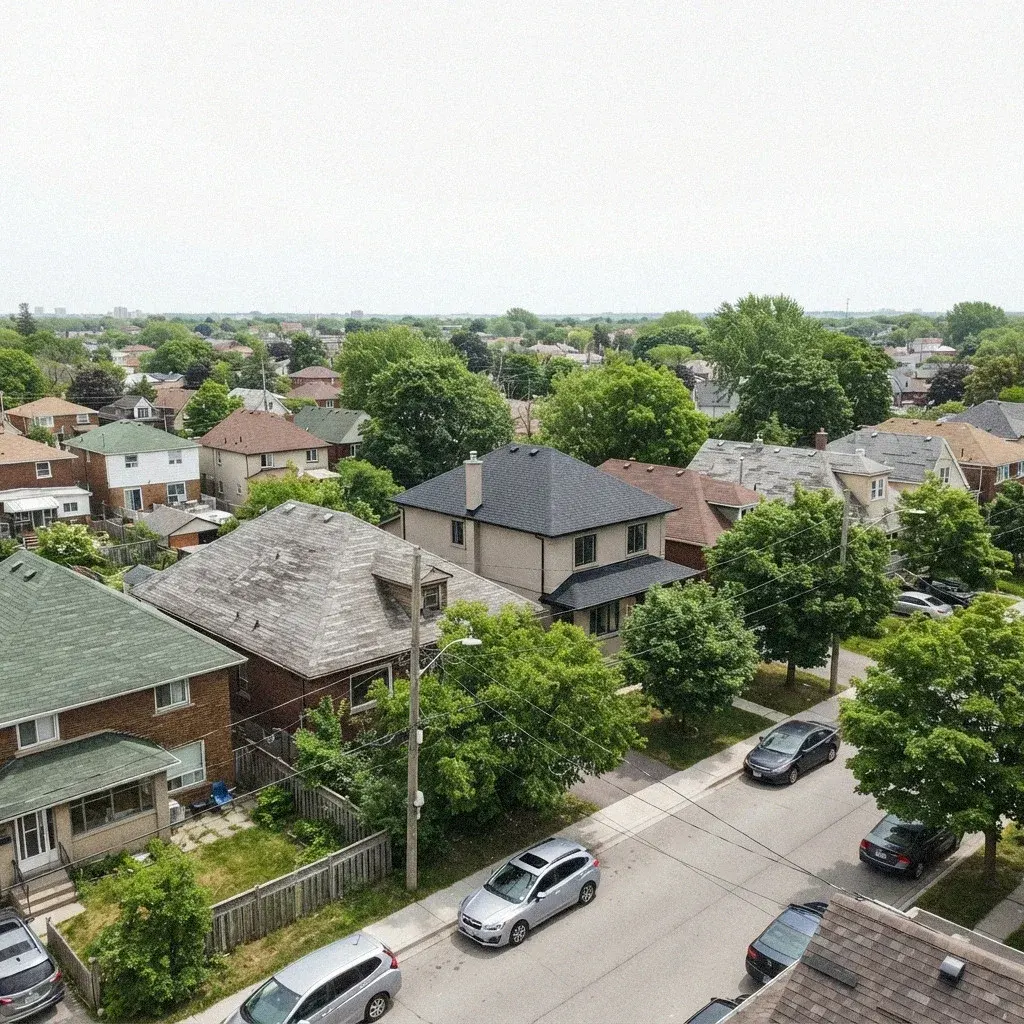
Neighborhood housing stock plays into this too. Older streetcar-era homes around Lowry Hill East or Seward often carry original or long-since-replaced roofing, and buyers touring those blocks tend to expect some roof age going in. A newer build near the Mississippi River in a neighborhood like Longfellow raises different expectations, and an aging roof there might draw more scrutiny simply because it stands out against the rest of the block.
Beyond Just Active Leaks
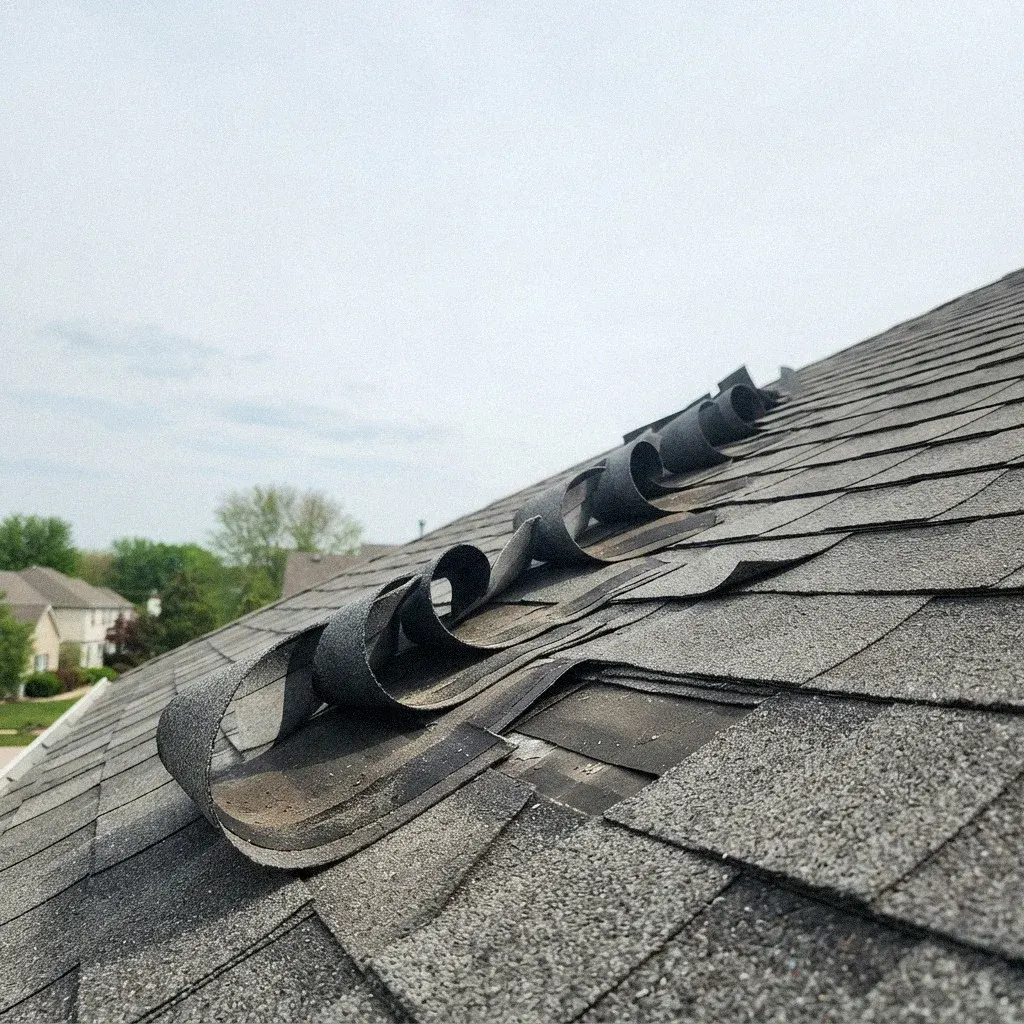
Sellers sometimes assume a roof only matters if it's actively leaking, but appraisers and insurers look at visible wear, granule loss, and curling edges independent of whether water has gotten in yet. A roof that hasn't failed can still read as a risk to the people financing or insuring the deal. Waiting for a leak to decide whether disclosure or inspection prep matters skips past what actually drives these decisions.
Finding Out Where You Stand
For a Minneapolis seller weighing whether an old roof needs attention before listing, the practical move is finding out its real condition rather than guessing from its age. A roof certification or a straightforward assessment gives a number to work with, something to reference in a disclosure statement or hand to a buyer's lender directly. From there, the pros we connect you with can lay out what an inspection is likely to turn up.
Dealing with this in your home?
Minneapolis roofs carry the weight of two seasons pulling in opposite directions. Bungalows near Kingfield and Longfellow trap heat in poorly vented attics, melting snow that refreezes at the eaves into ice dams. Come summer, hail off a Hennepin County thunderstorm can strip granules city-wide, no matter the neighborhood.