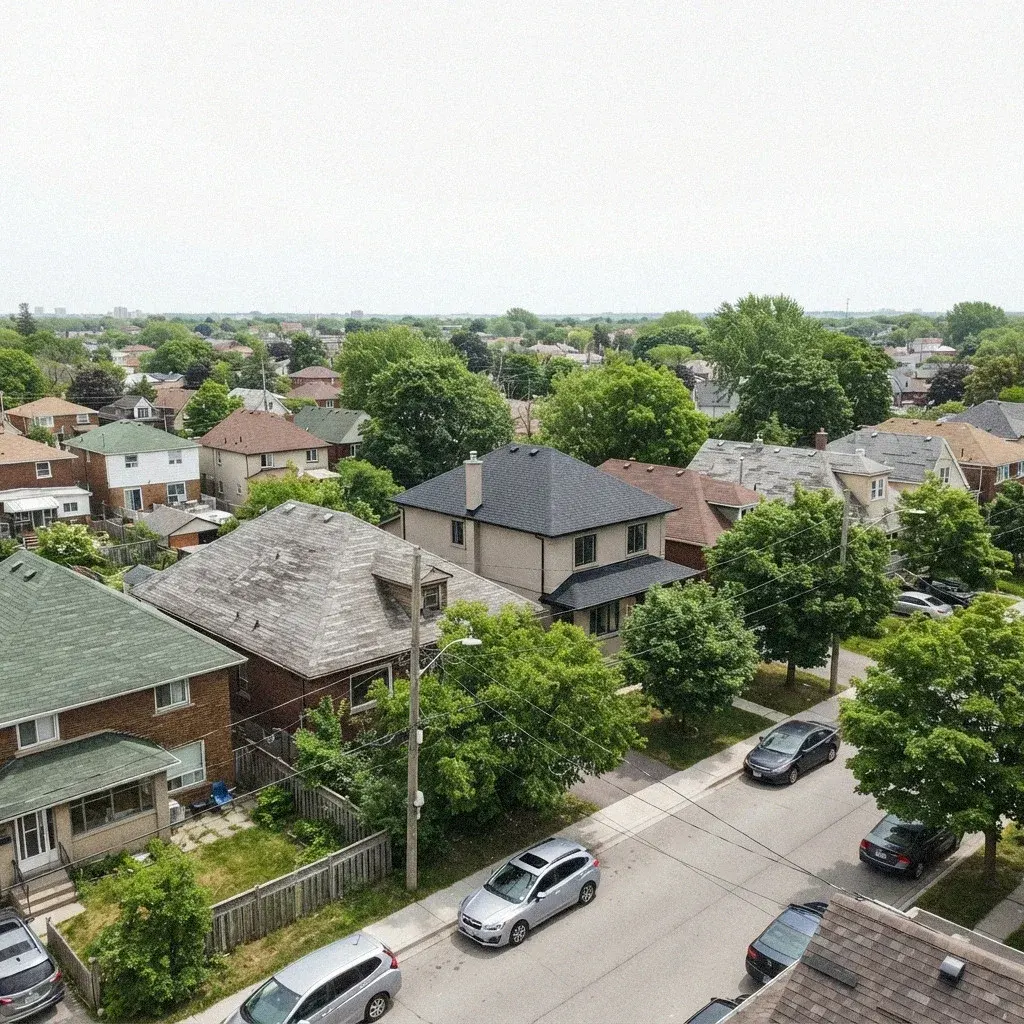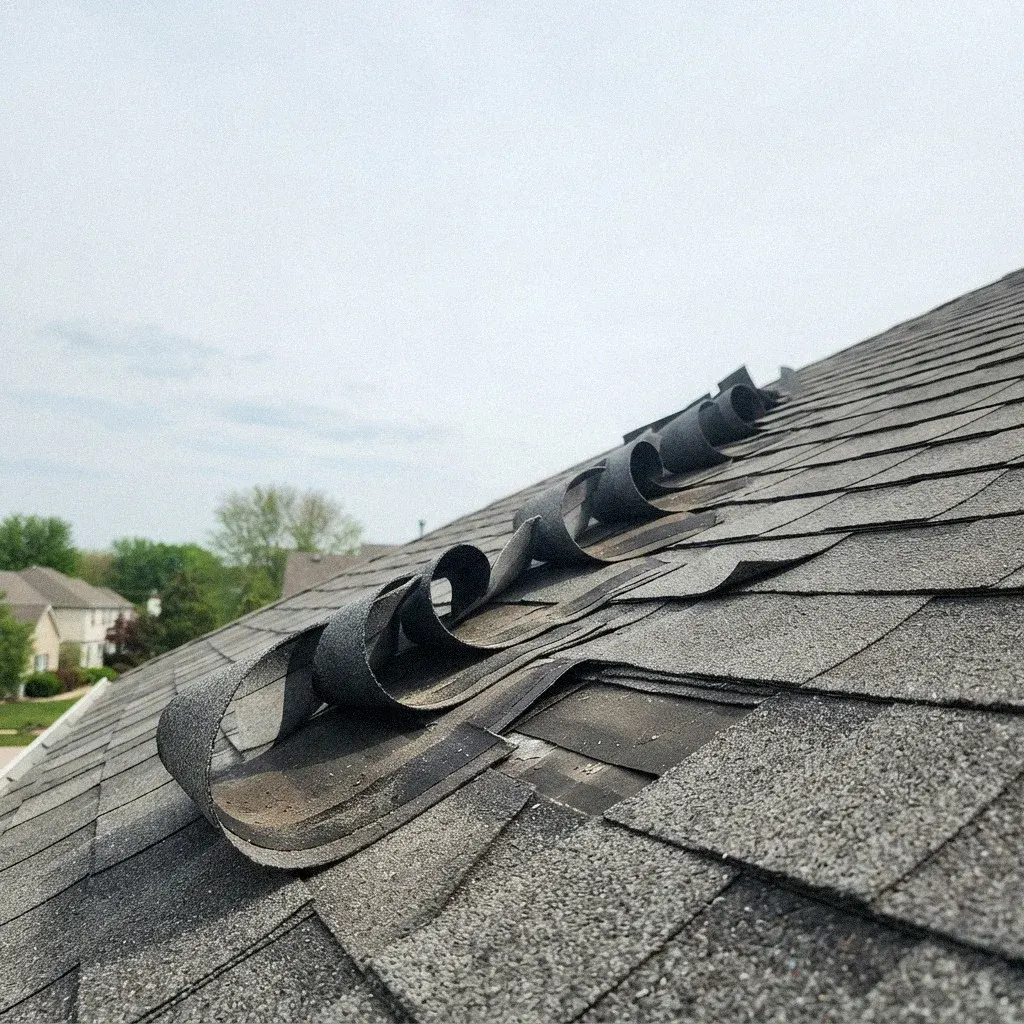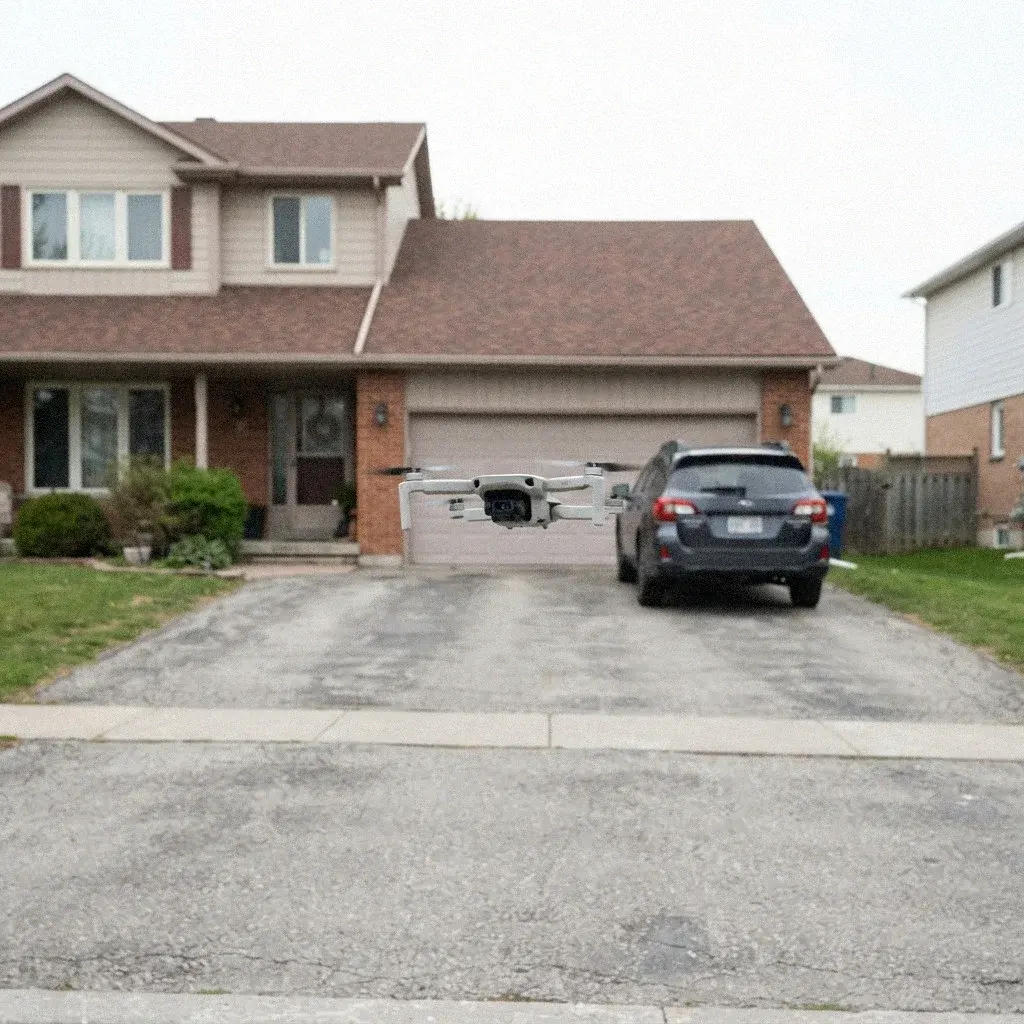
A roof in Minneapolis doesn't run on one fixed schedule. Most homeowners get a baseline inspection every couple of years once a roof clears the ten-year mark, with newer roofs able to stretch that interval a bit longer. What actually moves the timeline is roof age, the covering material, and whatever the last Minnesota winter or summer hailstorm did to the shingles. A bungalow near Lake Harriet with a 20-year-old roof needs a different cadence than a foursquare near Prospect Park with a roof installed five years ago.
Why Roof Age Matters
Roof age changes the math directly. A roof in its first decade can often go two to three years between baseline looks, since the covering is still well within its expected service life. Past that point, materials that have taken repeated Minneapolis freeze-thaw cycles start losing granules and flexibility faster, so tightening to an annual check makes sense. Asphalt shingle roofs common on Linden Hills and Fulton homes age differently than the occasional slate or standing-seam roof seen on older Kenwood houses, and that difference should shape the interval too.
What the Covering Material Changes
Covering material sets its own clock. Asphalt shingles, the dominant roofing across Minneapolis neighborhoods from Kingfield to Longfellow, tend to show wear through curling edges and granule loss that's visible without climbing anything. Standing-seam metal and slate, found on some older homes near Lowry Hill, hold up longer between looks but still deserve a check after any hail event. Knowing what's actually on the roof, not just how old the house is, tells an owner whether a two-year gap is fine or too long.
When a Storm Triggers a Check
Some checks aren't scheduled at all, they're triggered by an event. A summer thunderstorm that drops hail over Uptown or a straight-line wind event that tears through Camden both call for an inspection regardless of when the last one happened. The same goes for a hard ice dam winter, when snow load and repeated freeze-thaw cycles stress a roof's edges and valleys more than usual. An event-triggered look isn't about routine maintenance, it's about confirming that a specific storm didn't leave damage sitting unnoticed.
Timing the Post-Storm Look
A post-storm check works best done soon after the weather clears, while the damage is still fresh and easy to trace to that specific event. Waiting weeks after a hailstorm passed through Powderhorn Park or Seward makes it harder to separate new damage from a roof's ordinary wear. This timing matters for insurance purposes too, since a documented post-storm check creates a clear record tied to a known date, rather than a vague claim that something happened sometime over the summer.
Selling a House Changes Things
Selling a house in Minneapolis usually means a pre-sale inspection whether the owner asked for one or not, since buyers and their lenders want to know the roof's condition before closing. This look tends to be more thorough than a routine check, covering the whole roof rather than a quick scan, because it feeds directly into negotiations. An older Queen Anne or Colonial Revival home near Stevens Square with an aging roof will draw more scrutiny at this stage than a foursquare with a recently replaced one.
Warranties Have Their Own Rules
Roofing manufacturers often attach a warranty maintenance requirement to shingle warranties, meaning the coverage can depend on the owner keeping up documented inspections at set intervals. Skipping that schedule doesn't always void a warranty outright, but it can weaken a claim if damage shows up later and there's no photo record or inspection file to back up when the roof was last checked. Anyone counting on a manufacturer warranty on a home in Whittier or Tangletown should know what that specific warranty asks for before assuming coverage is automatic.
What a Ground Survey Catches
A ground-level survey between visits still has value in Minneapolis. Standing back from a bungalow in Kingfield or a foursquare near Powderhorn Park, an owner can spot missing shingles, sagging lines, or granules collecting in gutters. Binoculars help avoid a ladder. Inside, a quick attic look for daylight, dark streaks, or damp insulation catches problems early. None of this replaces a trained eye, but it fills the gap between scheduled checks and keeps small issues from turning into a longer punch list later.
Checking the Attic Yourself
Not every roof concern in Minneapolis needs an immediate call. A few curling shingles on a Longfellow bungalow or light granule loss after a season of freeze-thaw cycles usually falls under normal aging, not an emergency. What changes the calculus is a sudden event: hail from a summer thunderstorm, a branch strike, or a new leak showing up after an ice dam. Those situations cross the minor repair threshold and justify moving up the next inspection rather than waiting for the baseline interval.
Small Issues Versus Real Problems
Knowing when a small issue crosses into something worth calling about matters too. A minor repair threshold, a handful of missing shingles or a small flashing gap, might not need an emergency visit, but it belongs on a punch list for the next scheduled look. Letting several small items pile up unaddressed near Diamond Lake or Keewaydin over a couple of winters is how a minor repair turns into a bigger one, since Minneapolis freeze-thaw cycles work on any gap that's already there.
There's No Single Right Number
None of these intervals are fixed rules carved anywhere official, they're patterns that track roof age, material, and local weather exposure. A newer roof on a house near Bde Maka Ska can reasonably go longer between checks than a 25-year-old roof on a foursquare near Corcoran or Howe. Treating the baseline interval as a starting point, then adjusting for what a specific roof has actually been through, gets closer to the right cadence than following one number for every house in the city.
Putting the Cadence Together
Between the baseline interval, age-based tightening, storm triggers, and pre-sale or warranty demands, a Minneapolis roof ends up getting looked at more often than a single fixed number would suggest. The ground-level survey and attic look fill the gaps between anything formal, giving an owner a running sense of condition without waiting for a scheduled visit. Paying attention to these signals, rather than one calendar date, is what actually keeps a roof's problems small enough to stay on a punch list instead of becoming a bigger repair.
Dealing with this in your home?
Minneapolis roofs carry the weight of two seasons pulling in opposite directions. Bungalows near Kingfield and Longfellow trap heat in poorly vented attics, melting snow that refreezes at the eaves into ice dams. Come summer, hail off a Hennepin County thunderstorm can strip granules city-wide, no matter the neighborhood.